Machine Tool

machine tool

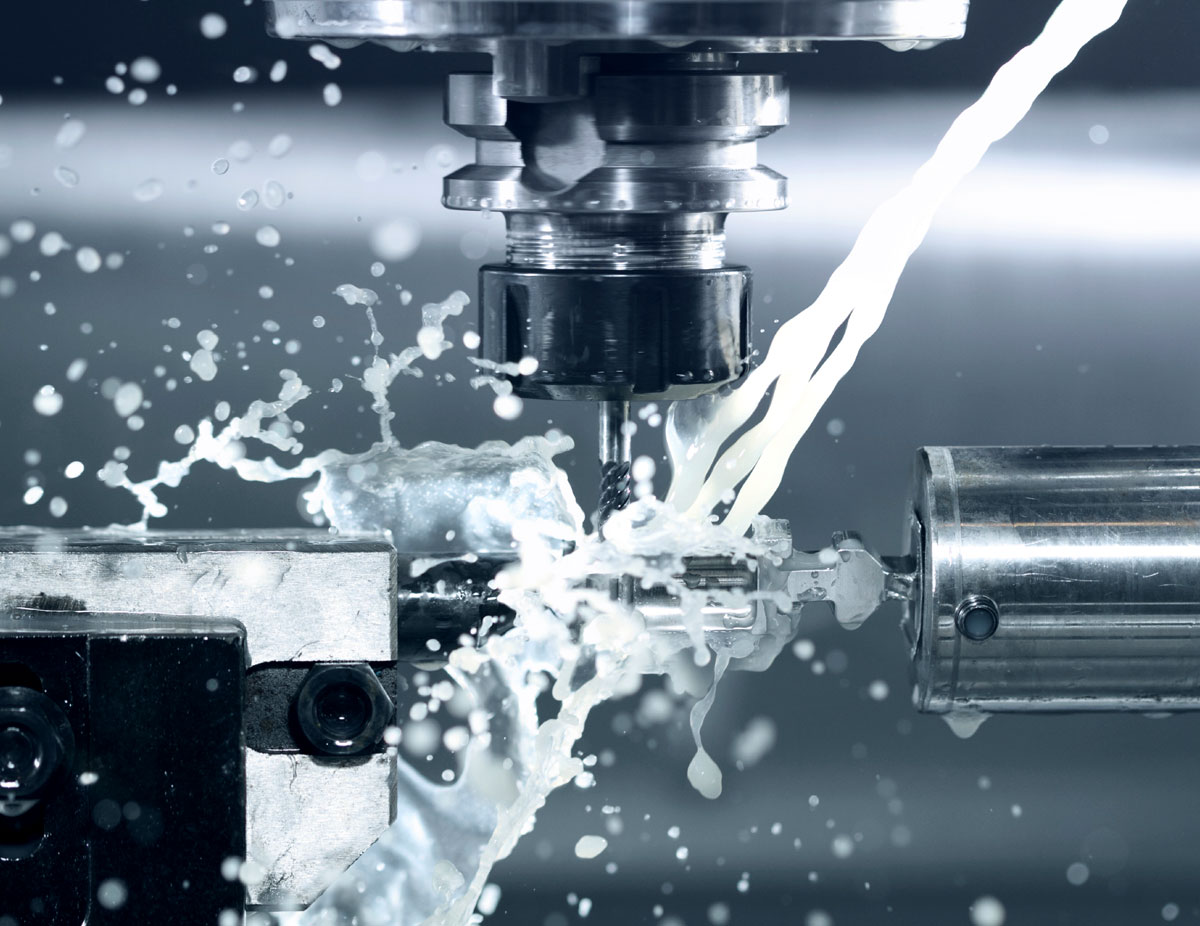
Kadant is a global leader in fluid handling solutions for the machine tool industry, delivering high-performance rotary unions engineered for demanding applications. Critical rotary joints and unions are applied in through-spindle-cooling (TSC) on CNC machines, gun drilling, milling, and other precision machining processes, where reliable transfer of coolant, air, and hydraulic fluid is critical to productivity and tool life.

The G™ rotary union line is designed specifically for these environments, offering exceptional durability, leak-free performance, and extended service life under high-speed, high-pressure conditions. With advanced rotary sealing technologies that support minimum quantity lubrication (MQL), Kadant helps manufacturers increase machining efficiency, reduce coolant consumption, extend tool performance, and meet sustainability goals. By combining robust engineering with innovative sealing solutions, Kadant enables machine tool operators to achieve greater precision, reduced downtime, and long-term cost savings across their operations.

G Rotary Unions

G rotary union industryThe G rotary union is engineered to deliver reliable fluid transfer in the high-speed, high-precision environments of the machine tool industry. Designed for demanding spindle applications, it supports elevated rotational speeds and constant vibration while maintaining stable sealing performance. A specialized seal package enables the G rotary union to handle challenging media such as coolant and cutting fluids, ensuring consistent operation even under aggressive machining conditions. Its rugged construction reduces unplanned downtime, enhances equipment longevity, and integrates seamlessly into modern CNC and automated machine tool systems.

FAQ

What role do G rotary unions play in the machine tool industry?

Kadant’s G rotary unions are designed for the demanding conditions of modern machining. They provide reliable media transfer (coolant, air, and hydraulic fluid) into high-speed rotating spindles, enabling critical processes such as through-spindle-cooling (TSC), gun drilling, milling, and precision machining.

How does the G rotary union improve through-spindle-cooling (TSC) on CNC machines?

Through-spindle cooling (TSC) delivers coolant directly through the spindle and cutting tool to the cutting zone. The G rotary union ensures leak-free, high-pressure transfer of coolant, improving chip evacuation, extending tool life, and allowing machining at higher speeds and feeds. This results in greater accuracy, faster cycle times, and reduced tool wear.

What is the role of G rotary unions in gun drilling?

In gun drilling, where deep and precise holes are required, the G rotary union supplies high-pressure coolant through the drill to lubricate, cool, and flush chips from the bore. This consistent coolant delivery improves drilling accuracy, increases tool longevity, and supports tight tolerances at high feed rates.

How do G rotary unions support milling operations?

Milling operations often require continuous coolant flow to control heat, maintain surface quality, and protect tooling. The G rotary union reliably transfers coolant into rotating spindles, reducing thermal distortion, extending tool life, and supporting higher efficiency in high-speed milling applications.

Can G rotary unions be used in general machining applications?

Yes. The G rotary union is ideal for precision machining processes where coolant, air, or hydraulic fluid must be transferred into a rotating spindle. By minimizing leakage and ensuring consistent media flow, it helps manufacturers improve productivity, reduce downtime, and achieve higher-quality machining results.

How does the G rotary union contribute to sustainability in machining?

Kadant’s G rotary union supports minimum quantity lubrication (MQL), which reduces coolant consumption while maintaining tool performance. This not only lowers operating costs but also helps manufacturers meet sustainability and energy-efficiency goals in machining operations.